

Recycled Plastic Bristles Become a New Highlight in Sustainable Beauty Exhibitions
Recycled Plastic Bristles: A Spotlight on Sustainable Beauty’s Latest Innovation at Global Exhibitions
Sustainable beauty has evolved from a niche trend to a core industry focus, with consumers and brands alike prioritizing eco-friendly practices across product lifecycles. In this shift, makeup tools—long overlooked in sustainability discussions—are now taking center stage, particularly with the rise of recycled plastic bristles. At recent global sustainable beauty exhibitions, these innovative bristles have emerged as a standout, blending environmental responsibility with high performance.
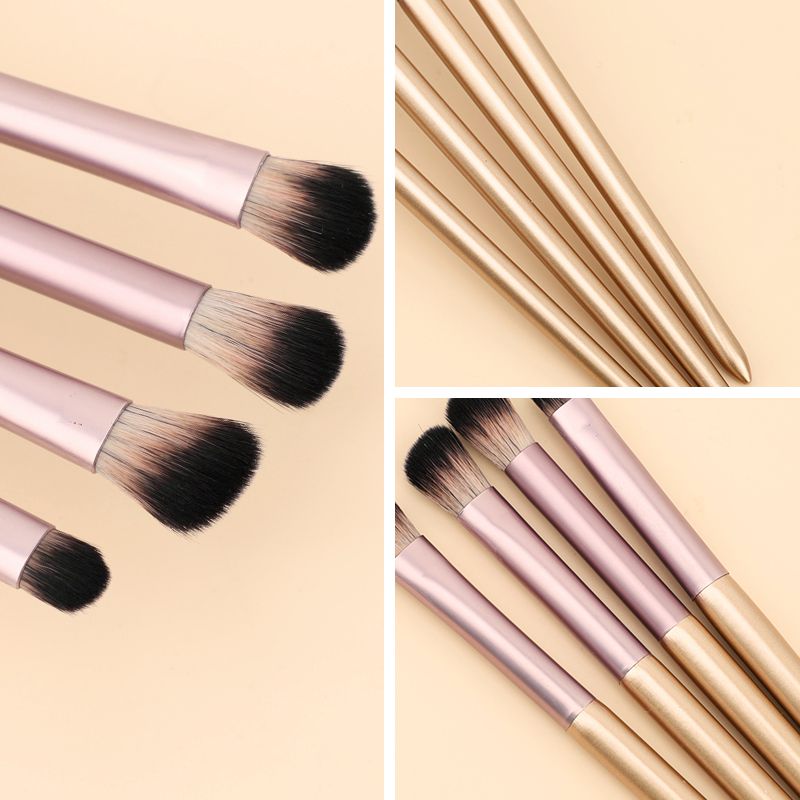
Traditional makeup brush bristles often rely on virgin plastics (like nylon) or animal hair, both posing environmental concerns. Virgin plastics contribute to fossil fuel consumption and plastic waste, while animal hair raises ethical and sourcing challenges. Recycled plastic bristles, made from post-consumer plastic waste such as PET bottles or industrial scraps, offer a compelling alternative by diverting waste from landfills and reducing carbon footprints.
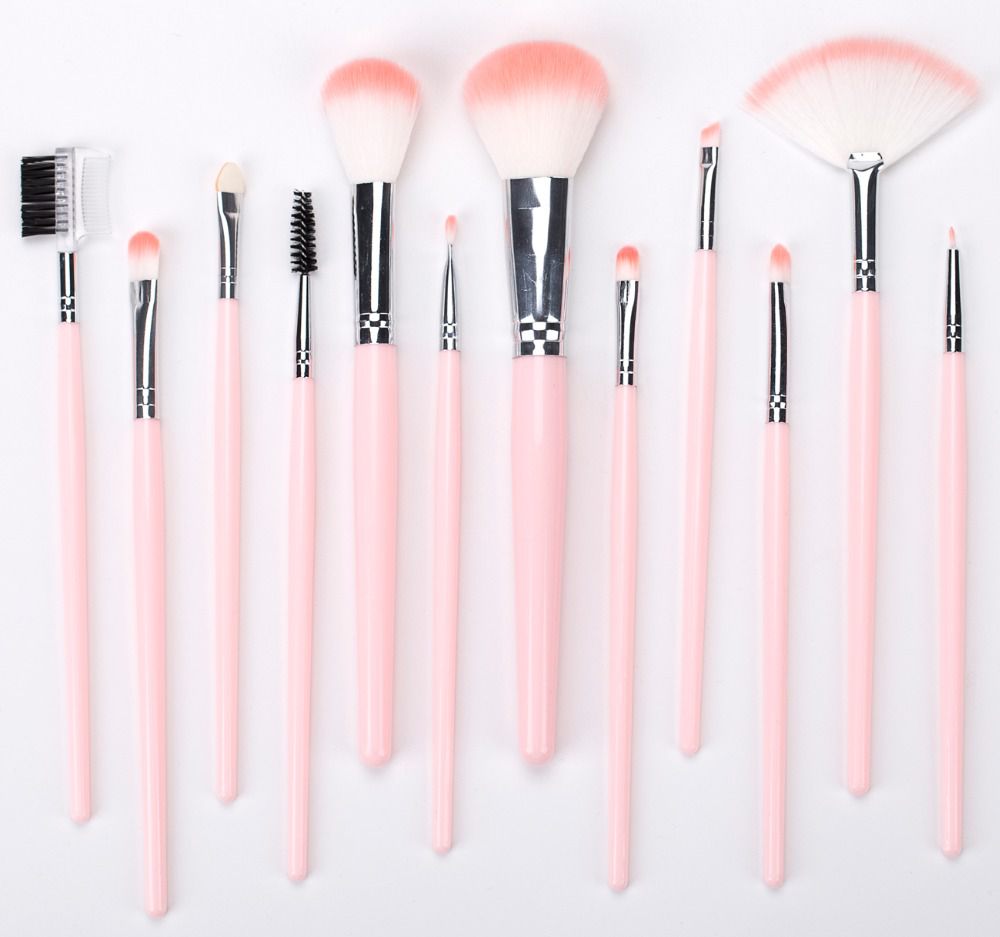
The production of recycled plastic bristles involves advanced processes that transform waste into high-quality filaments. First, collected plastic waste is sorted, cleaned, and shredded to remove contaminants. It is then melted and extruded into fine strands, which are further treated to enhance softness, elasticity, and durability—key attributes for makeup application. Innovations in polymer blending, such as adding plant-based additives or modifying molecular structures, have addressed early concerns about brittleness or uneven texture, making recycled bristles comparable to, if not better than, their virgin counterparts in performance. For instance, some manufacturers now achieve bristle softness ratings of 7-8 on the industry’s 10-point scale, matching premium virgin nylon.
At leading sustainable beauty exhibitions like Cosmoprof Worldwide Bologna and In-Cosmetics Global, recycled plastic bristle products have drawn significant attention. Exhibitors report increased inquiries from beauty brands seeking to align with ESG goals, with 62% of surveyed buyers citing “sustainable materials” as a top purchasing factor in 2024 (per Beauty Packaging’s annual report). Brands like EcoGlow Cosmetics showcased brush sets with 100% recycled plastic bristles, highlighting their carbon-neutral production and recyclable packaging, which received positive feedback for both functionality and eco-credentials.
What makes recycled plastic bristles a highlight? Beyond their environmental benefits, they offer practical advantages. Compared to bio-based alternatives (e.g., bamboo fibers), recycled plastic bristles are more water-resistant and maintain shape better, critical for makeup tools. They also present a cost-effective solution: recycled plastic feedstocks can reduce raw material costs by 15-20% compared to virgin plastics, making sustainability accessible to mid-range brands. Additionally, advancements in transparency—such as blockchain tracking of waste sources—have boosted consumer trust, addressing skepticism about “greenwashing.”
Despite their promise, challenges remain. Scaling recycled plastic collection and processing infrastructure is essential to meet growing demand, while educating consumers on the durability and performance of recycled bristles will further drive adoption. However, with regulatory support (e.g., the EU’s Plastic Strategy mandating 30% recycled in plastic products by 2030) and ongoing R&D, the future looks bright. As sustainable beauty exhibitions continue to platform these innovations, recycled plastic bristles are poised to redefine industry standards, proving that eco-consciousness and quality can go hand in hand.


